‘REDs isn’t something athletes can handle alone, they need support’: Stine Østvold Aamodt
Oct 28, 2026·Inside FIS
Cross-Country Skiing is Norway’s national sport, so when concerns about eating disorders in the discipline made headlines, the story struck a nerve. Rather than adding to the noise, Olympiatoppen and the Norwegian Olympic and Paralympic Committee and Confederation of Sports (NIF) set out to focus on solutions, with the sports themselves helping to shape them.
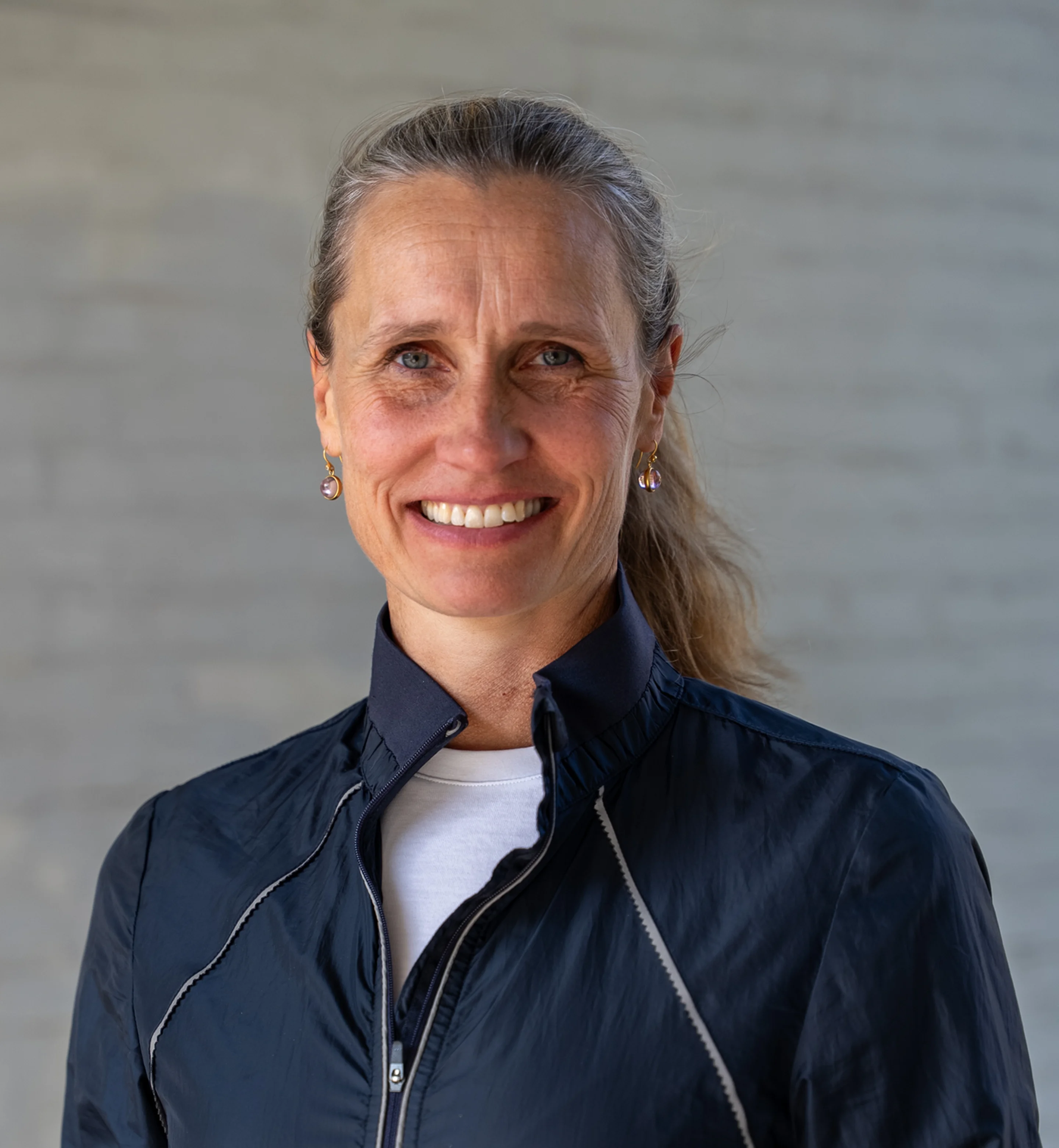
The result is Hele Laget (“The whole team”), a project that aims to prevent Relative Energy Deficiency in Sport (REDs) and disordered eating behavior among young competitive athletes with high-performance demands. Its focus is less on athletes directly and more on the coaches, parents, and medical staff around them. In part one of a three-part series on Hele Laget, Inside FIS spoke to Stine Østvold Aamodt, Olympiatoppen’s Coordinator for Hele Laget and Project Manager for Selected Sports, about why the project changed its name, how it works with Cross-Country, and why the whole system needs to be on board.
Inside FIS: Hele Laget aims to prevent REDs and disordered eating. How did the project take shape?
Stine Østvold Aamodt (SOA): At first, it was about making sport safe and preventing eating disorders, but there was a different project at NIF about safe sport, so to avoid them getting in each other’s way, NIF wanted to focus on eating disorders and body dissatisfaction.
We subsequently realized that it’s harder to get people to work against something, in this case eating disorders, than it is to work toward something. So, we changed the name and the focus, making it about the practical things that we can all do to help athletes maintain their energy balance.
[Editor’s note: Energy balance compares the energy an athlete takes in with the energy they use. REDs describes the effects on health and performance when energy intake doesn’t cover the demands of training and normal body function. It can affect bone health, hormones, immunity, and mental wellbeing.]
Inside FIS: Has changing the name and the focus had a positive impact?
SOA: Absolutely! Now it’s like you’re investing in something you really want to be part of, instead of something that people may be ashamed about or find a bit difficult to discuss. By changing the focus, it’s much easier to get leaders, coaches, and everyone else involved.
Inside FIS: How does the project work in practice?
SOA: We have chosen a few sports to start with: track and field, Cross-Country, handball, and climbing. With each federation, we ask them, “What do you see as the main risk factors for REDs in your sport?” They must find those themselves and bring that info to the table, then we hold a workshop together.
This involves representatives from Olympiatoppen working with leaders, national team coaches, and the medical staff, whether that’s the doctor or sometimes the physio, depending on who has the more hands-on role. Then we work through the risk analysis together, using their knowledge and experience of their sport to prioritize what they find is highest risk, to try to find solutions and establish what they need to do. It’s a joint effort.
Inside FIS: Which organizations are behind the project?
SOA: It’s a joint initiative between Olympiatoppen and NIF. We didn’t want it to be a side project. We wanted to make it part of what we do on a daily basis, so we looked at Olympiatoppen’s strategy plan and what the International Olympic Committee (IOC) 2023 consensus statement on REDs suggested, and we’ve tried to merge them together.
Inside FIS: Is the Norwegian Ski Federation (Skiforbundet) involved? Have you been in contact with FIS?
SOA: Yes, Brit Baldishol is Head of Club and Volunteer Development at the Norwegian Ski Federation, and she’s been the main contact person for me for organizing everything so far. We’ve also been communicating with some of the national team coaches, Marit Bjørgen and [Eirik Myhr] Nossum.
Brit has been in contact with FIS, and I know she wants to cooperate with them at some point [on this issue]. That’s why we want to produce resources in English too, to give us that option.
[Editor’s note: Brit Baldishol is also Chair of the FIS Subcommittee for Cross-Country Youth & Development.]
Inside FIS: How did Cross-Country become a focus?
SOA: It actually started out with us talking with the doctor for the Norwegian Ski Federation, and we found out that it’s probably best to start with Cross-Country. In 2015/16 the Federation introduced a health-certificate requirement for Cross-Country, and since then that's been a key tool for identifying nutritional, medical, or psychological issues that could affect athletes' health and performance.
There has also been a lot of coverage about Cross-Country in the Norwegian media, as it’s our main national sport, so when there are problems, it really resonates with people. We want to get past the noise and find solutions, working together to bring the sport to a better place.
This is what this project is about, and it’s my feeling that absolutely everyone wants that. Like I said earlier, it’s about turning the focus around, investing in something and building something positive.
We have done the risk analysis and we have been meeting coaches and some athletes. But I also need to say, we don’t prioritize working directly with athletes. We feel that working first with coaches, parents, and medical staff ends up being more beneficial to the athletes.
Quite often a sport wants us to work directly with athletes, saying, “We just need a nutritionist on this camp,” for instance. But we tell them we won’t bring a nutritionist to a camp without working with the coaches first, and then the nutritionist works with the coaches and the athletes together.
Inside FIS: Why is it so important to work via coaches?
SOA: Coaches need to be made aware that this information isn’t just for the athletes. It’s about getting a whole system in place. There needs to be support in organizing a schedule with enough breaks, support with meal planning, and support in creating a safe environment where an athlete can speak up if there’s something wrong or they’re in pain. There are so many things to take into account. It’s not just about informing the athletes.
Inside FIS: You also work closely with a dietitian. What does she bring to the project?
SOA: Yes, I work very closely with a clinical dietitian who was part of the Norwegian women’s Cross-Country setup back in 2009 to 2018. That period led to a lot of changes, and as part of this project, we look back at what we did in Norway at that time to prevent this, and how to work with the environment and the culture to make sport safe.
Her name’s Heidi Holmlund. She’s a big part of this project and has been doing a lot of work with our schools. She has very interesting knowledge from the very highest level, but she’s told us how she wanted to do a lot more preventive work. In fact, she’s not working as a clinical dietitian for Olympiatoppen at the moment. She’s totally focused on this project.
Inside FIS: There can still be a stigma attached to eating disorders. Does that make it harder for coaches and athletes to speak up?
SOA: Yes, and I think it’s hard because we know that everyone, whether they’re parents or coaches, is doing their best. But things don’t always turn out the way you hoped, and you might not spot something that you feel you should have spotted. We want to help people see the signals early. Hopefully, by focusing on REDs and disordered eating behavior, we'll be able to spot early signs and act sooner.
The thing with REDs is that it can be intentional, like an athlete wanting to lose weight or change how they look, but it can also be accidental, due to a busy schedule or not having the right knowledge about what to eat and how to fuel properly for training. We think tackling REDs is a good starting point, before moving on to other areas later on.
Inside FIS: What are some of the warning signs to look out for?
SOA: Stress reactions in bones are a very typical sign. With low energy over time, testosterone and estrogen levels drop and cortisol, the stress hormone, goes up. It becomes difficult to sleep, and over time, your bones can start to deteriorate. Getting sick very easily is another sign. Many of these symptoms are hard to see, because the body adjusts to keep going.
Women can easily stop menstruating, and for men, especially endurance athletes, a loss of morning erections can be an early sign. Cross-country skiers in Norway have started to be aware of this now. If they see the signs, they know they need to fuel more and adjust their training, and some of the coaches have been very open about it.
Inside FIS: By using the approach you mentioned earlier, involving key stakeholders from the start, what kind of feedback have you had?
SOA: Almost everyone tells us they would like to know more about REDs and how to stay in energy balance, as well as being supported in how to work with that knowledge and making it part of coach education.
Another important lesson is that parents need to be given more information, because they tend to get a bit left out. This is something they’ve asked for help with, and they often ask, “Who can we trust? There’s so much information out there.” So, we try to point them in the direction of science and voices that they should listen to. We kind of put our stamp on that, saying, “This is something we believe will be useful for you.” That’s also part of the project.
Inside FIS: How do you help people find the right sources and role models?
SOA: We try to get them to search for information in the right channels, but we also need to find out what interests them. Not just telling them to use us, but actively being more engaging, so they want to use our tools and access our information.
We also try to use role models, and we make sure to communicate clearly with sports federations about the role models we use, so that they’re setting a good example. And when we manage to work with leading athletes, they need to be aware that they are role models. What do you post? How do you do it? What advice would you give to your 15-year-old self? That’s also on our agenda.
Very often, athletes will listen most closely to their coaches. So, it’s a big help if the coach is educated in the appropriate values, language, and behaviors. And if that’s the case for athletes at family level too, it will also help a lot.
REDs isn’t something that athletes can handle alone, especially if they’ve got a busy schedule and a lot of expectations from themselves, their parents, and their coaches. They need a supportive environment.
Find out more
More about Hele Laget (in Norwegian): idrettsforbundet.no/en/tema/hele-laget/om-krafttaket
Films on REDs, including one for Cross-Country, are available with English subtitles at: REDs - Star As You Are
FIS Sports Integrity resources: fis-ski.com/inside-fis/integrity