

Prevention, Testing & Monitoring
General Recommendations to Prevent Illnesses in Cold Environments |
The Challenge
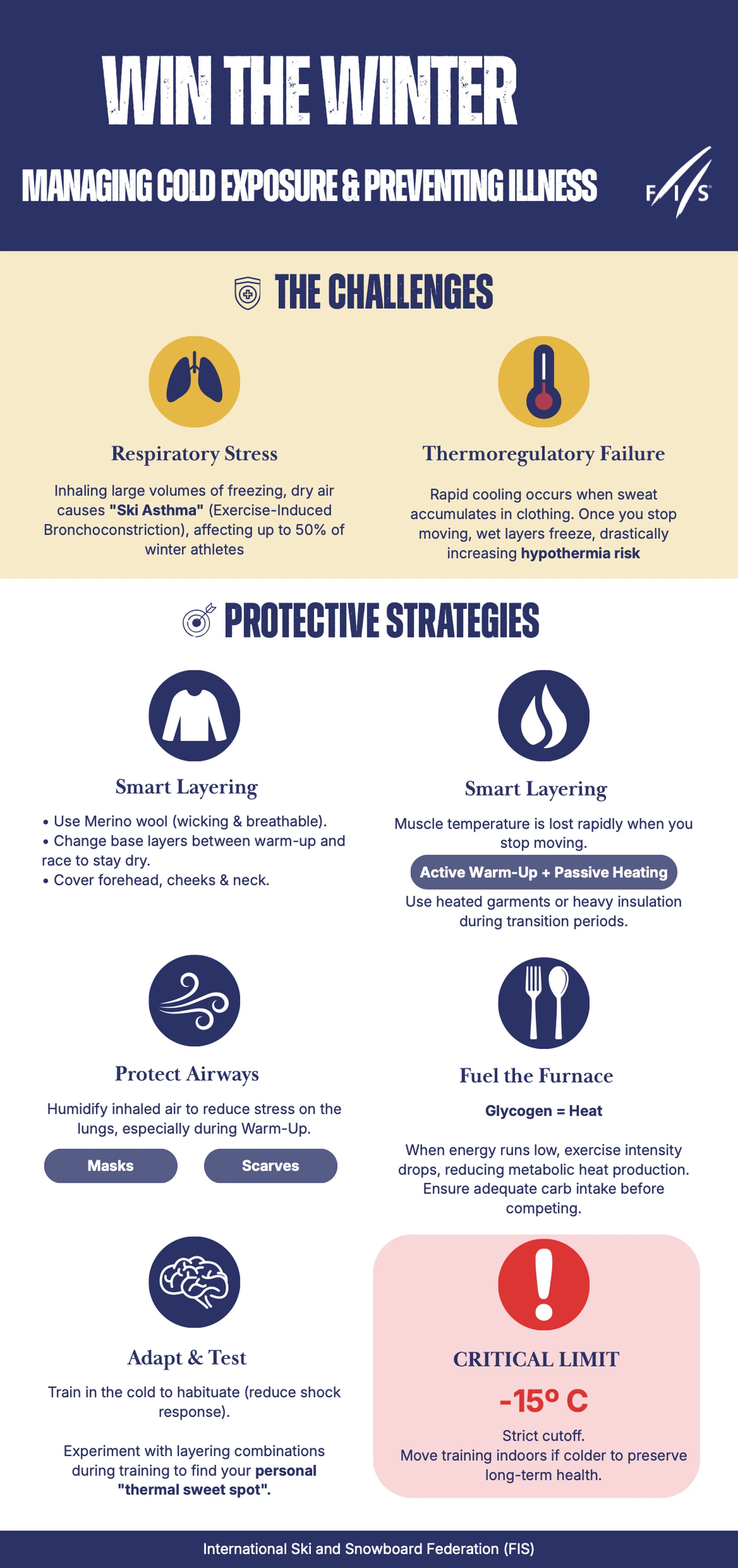
The primary challenge for snow sports athletes is maintaining high-level performance while mitigating the physiological strain imposed by cold, dry, and windy environments. Inhaling large volumes of freezing, dry air poses significant risk to respiratory health, frequently leading to Exercise-Induced Bronchoconstriction ("ski asthma"), and affecting up to 50% of winter endurance athletes. Athletes also face thermoregulatory failure: once clothing becomes wet from sweating, the body cools rapidly, increasing hypothermia risk.
Practical Strategies
Clothing management is fundamental. Athletes should adopt a "thermo-behavioural" approach: selecting wicking, breathable fabrics like merino wool that prevent moisture retention, and changing base layers between warm-ups and competition to avoid post-exercise cooling. Covering exposed skin, forehead, cheeks, nose, and neck, regulates thermal comfort and reduces autonomic respiratory responses.
Heat maintenance requires combining active warm-ups with passive heating strategies. Muscle temperature gained during warm-up is lost rapidly in cold environments upon cessation of movement; heated lower-body garments or heavy insulation during transition periods between warm-up and competition start help preserve readiness.
Respiratory protection through heat and moisture exchange devices (masks or specialised scarves) during warm-ups helps humidify inhaled air and protect airway health.
Nutritional preparation ensures adequate glycogen stores before competing. When energy runs low, exercise intensity drops, and with it, metabolic heat production, increasing hypothermia risk.
Habituation and experimentation during training allows athletes to adapt to cold environments (reducing sympathetic activation and preserving blood flow) while discovering which layering combinations work best for their individual thermal responses.
Finally, coaches should monitor environmental limits strictly, cancelling or moving training indoors when temperatures drop below −15°C to preserve long-term athlete health.
Viral and Bacterial Infections: Guide to Prevention, Management, and Recovery
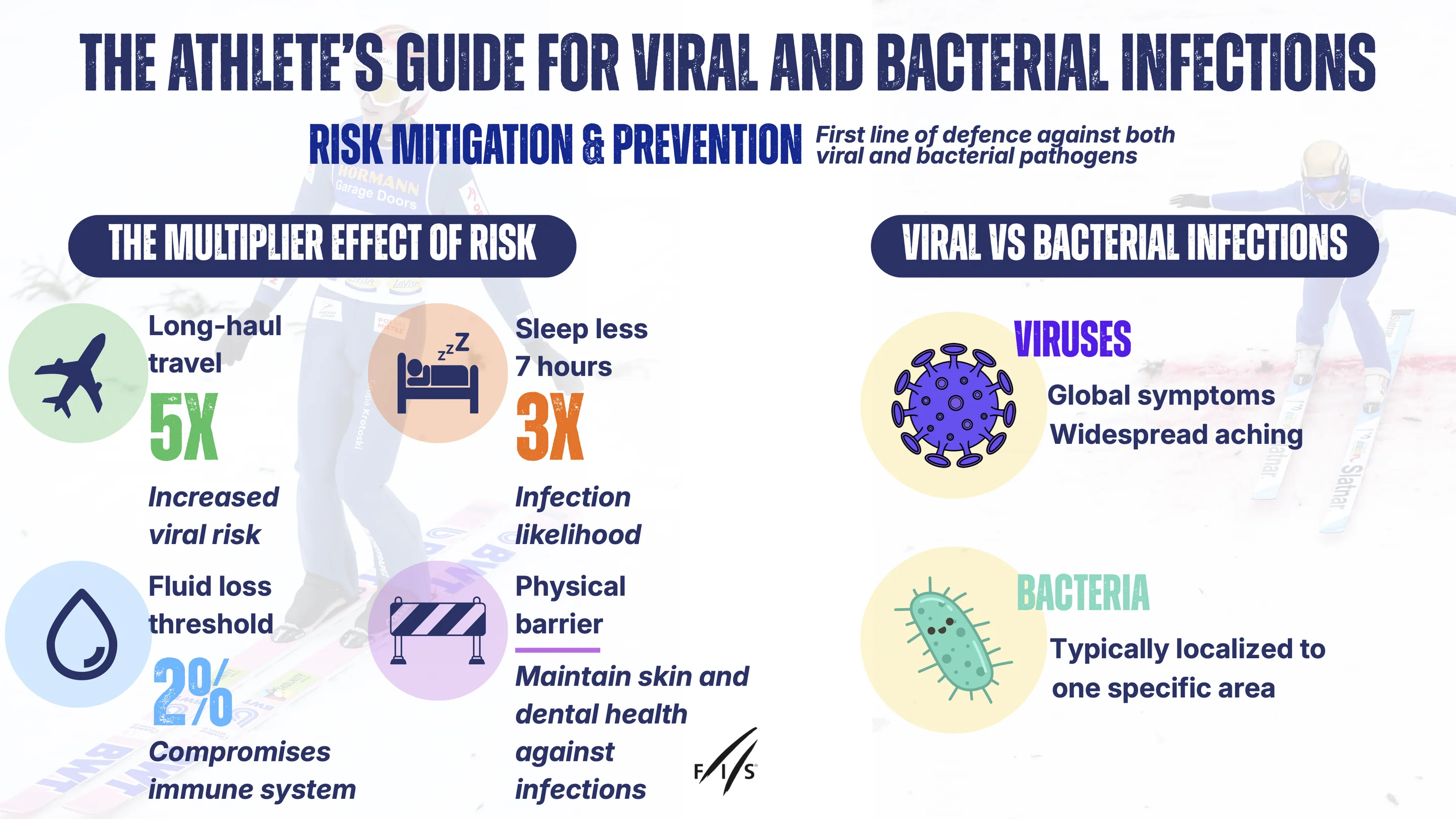
While it can be difficult to tell the difference between a viral and a bacterial infection because symptoms, like a high temperature, sore throat, and loss of appetite are often very similar, understanding the difference between them matters for athletes, even though the body is capable of recovering from both.
Viral infections (such as the flu) often affect the whole body, causing widespread aching and fatigue, and antibiotics are ineffective against them.
Bacterial infections tend to be more localised to one area (such as pneumonia or a urinary tract infection), although they can become systemic if they enter the bloodstream.
When to see a doctor: An athlete should consult a doctor if symptoms are severe and worsen after 48 hours, or if an athlete experience warning signs such as a non-blanching rash, coughing up thick dark phlegm with a high temperature, severe chest pain, pain passing urine for more than 48 hours, or persistent vomiting and diarrhoea preventing fluid retention.
Managing these infections follows a structured three-stage process: reduce your risk, manage your symptoms, and recover quickly.
1. Minimising Your Risk
Preventive measures are the first line of defence against both viral and bacterial pathogens.
Hygiene and Exposure
| Hand hygiene | |
|---|---|
| Wash hands regularly with soap and water, or use a sanitiser containing at least 60% alcohol. | |
| Sneeze into your elbow, immediately dispose of tissues, and strictly avoid hand-to-face contact (mouth, nose, eyes). |
| Environmental awareness | |
|---|---|
| Avoid large crowds and stay away from anyone who is sick. | |
| People who have had vomiting or diarrhoea remain highly contagious for at least 48 hours after symptoms stop. | |
| Be especially cautious during long-haul travel, which increases the risk of developing a viral infection five-fold. |
Sleep, Diet, and Hydration
| Sleep | |
|---|---|
| A massive risk factor. Athletes who average less than 7 hours per night are three times more likely to catch a viral infection than those getting 8 hours or more. |
| Hydration | |
|---|---|
| Fluid loss of just 2% of body weight can compromise the immune system. | |
| Dry nasal passages and mouths are prime entry points for respiratory infections. | |
| Rehydrate gradually over several hours; isotonic sports drinks containing sodium can help the body retain fluid. |
| Diet and Supplements | |
|---|---|
| Eat a highly varied diet with plenty of fruits and vegetables, eat healthy and avoid depleting carbohydrates. | |
| Get sufficient Vitamin D through natural daylight, or take a daily low-dose batch-tested supplement, particularly in winter. |
| Vaccinations | |
|---|---|
| Keep all childhood vaccinations up to date. | |
| Consider an annual flu vaccine. | |
| Consult a travel nurse before heading overseas. |
2. Managing Symptoms
Regardless of the type of infection, athletes should manage their symptoms and professional behaviors to recover quickly and reduce the spread of the illness.
Even with excellent prevention, infections are inevitable. When symptoms occur during crucial training blocks, performance can be severely affected, making aggressive and informed symptom management essential.
Upper Respiratory Tract Infections
Fever and pain: Paracetamol and ibuprofen are effective for reducing fever, with ibuprofen providing the added benefit of reducing throat and nasal inflammation. If you have a fever, you must rest from training.
Cough and sore throat: Hot drinks, menthol, and honey are effective for soothing a sore throat and reducing night-time coughs.
Congestion and runny nose: Consult a pharmacist for nasal sprays or antihistamines (of note, effective antihistamines can cause drowsiness and may be best used at night). Steam inhalation is also a safe option.
Early interventions: As soon as symptoms start (ideally within 24 hours), take high-dose Vitamin C supplement and zinc lozenges for the first 3-5 days.
Exercise adjustments: Low to moderate exercise can aid recovery for mild head colds. However, if symptoms are below the throat (chest), athlete must rest completely. Intense training will prolong the illness and worsen symptoms.
Gut Infections and Food Poisoning
Isolation: Isolate yourself until at least 48 hours after symptoms have completely stopped to avoid spreading the infection.
Hydration: Focus on sipping water and rehydration drinks regularly. Avoid drinking large amounts at once, and steer clear of very sugary drinks like orange juice.
Returning to food: When the athlete begins to feel better, eat small amounts of bland food for 2-3 days. Avoid dairy and acidic foods while your gut settles.
Anti-Doping Warning
Always check cold medications and supplements on The World Anti-Doping Agency (WADA) and FIS website Clean Sport (Sport Integrity), as many remedies can contain banned ingredients or be contaminated.
3. Recovering Quickly
Achieving a quick recovery is the final step in a three-stage infection management process, following risk reduction and symptom management.
To bounce back as quickly as possible, athletes must heavily prioritise foundational health and wellness habits: adequate sleep and rest, proper hydration, a varied diet, and active management of emotional stress.
4. Targeted Prevention Systems
Upper Respiratory Tract Infections
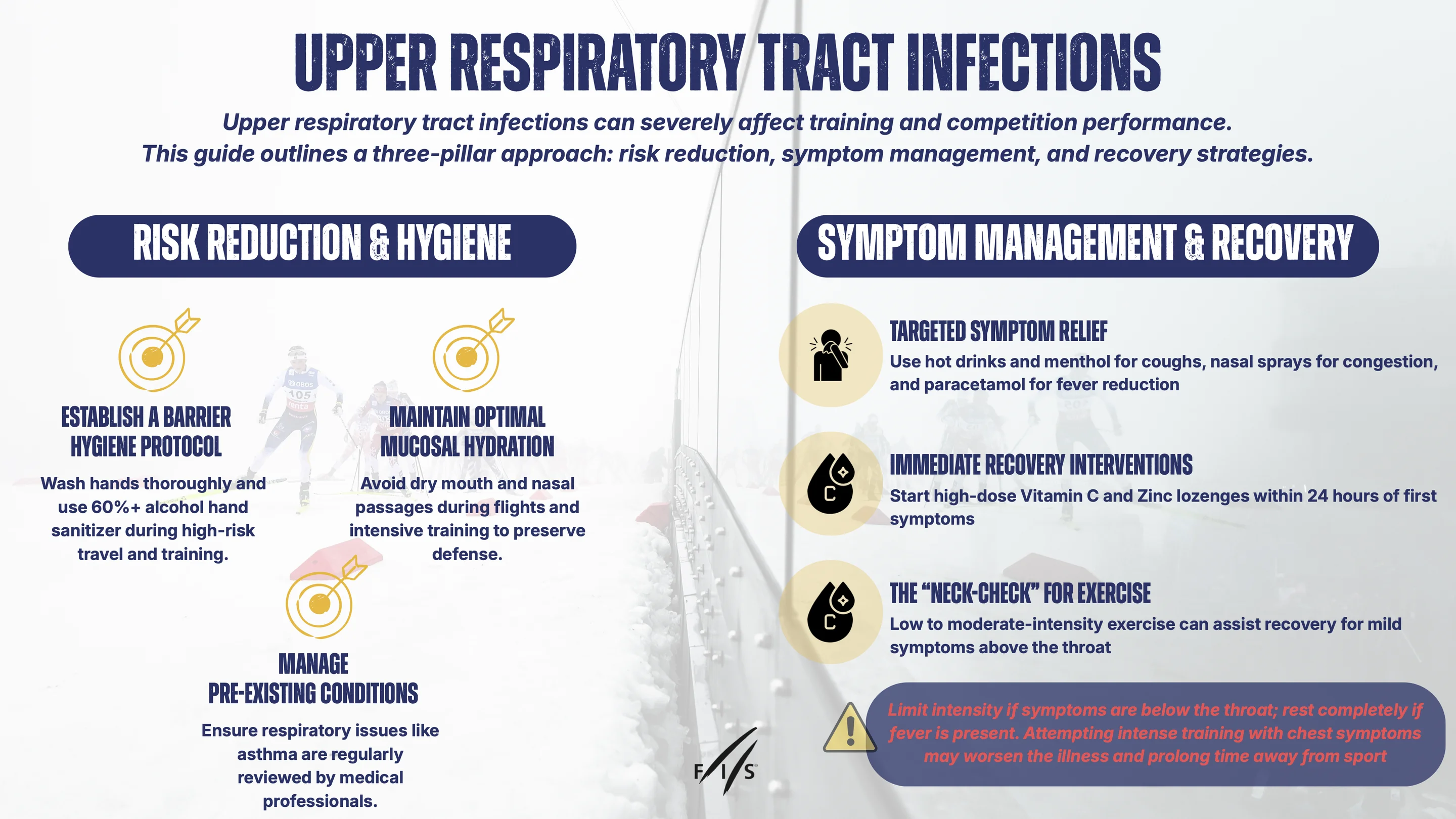
Upper respiratory tract infections (URTIs), including the common cold and other seasonal viruses, are among the most frequent illnesses in elite sport.
Most resolve within seven days, but the timing matters: a virus that lands during a key training block or competition can affect performance, disrupt preparation, and spread through a team. Active management follows a structured three-stage approach: reducing exposure, treating symptoms early, and using targeted recovery interventions.
1. Reducing the Risk
Prevention starts with the basics: managing the physical environment, protecting the airways, and limiting transmission.
Manage existing conditions. Respiratory conditions such as asthma should be well controlled and regularly reviewed with the team doctor or medical staff. Poorly managed airway disease increases susceptibility to viral infection.
Prevent dryness. Keep hydration high to avoid a dry mouth and nasal passages, particularly during intensive training, competition, and long-haul flights. Dry airways are easier for viruses to colonise.
Regulate temperature. Avoid prolonged cold exposure after training. A warm shower, a quick change of clothes, and adequate insulation in winter conditions reduce the physiological stress that suppresses immune function.
Practise good hygiene. Athletes should wash their hands thoroughly before eating and after using the toilet.
2. Managing Symptoms
Once a virus takes hold, prompt symptom management can shorten the illness, reduce transmission within the team, and protect training quality where rest still permits it.
Congestion and runny noses. Regular steam inhalation is a safe and effective first option.
Coughs and sore throats. Warm drinks, broths, and menthol lozenges help soothe a sore throat.
Fever. If fever is present, complete rest from training is essential. Exercising with a fever raises can prolong recovery considerably.
Anti-doping vigilance. Cold and flu medications, decongestants, and supplements can contain prohibited substances or be contaminated. Every product should be checked against the WADA Prohibited List, and reviewed with the team doctor before use.
3. Recovering Quickly
Faster recovery depends on returning to the fundamentals (sleep, rest, hydration, varied nutrition, and stress management) alongside a small set of targeted interventions.
Early-action supplements. Within the first 24 hours of symptoms, high-dose vitamin C (100–1500 mg) and zinc lozenges can shorten the duration of illness. These should be used only for three to five days, not as ongoing supplementation.
Antiviral sprays. Products that coat the nasal and throat mucosa to block viral entry work best when started at the first sign of symptoms and continued until they resolve.
Probiotics. A daily dose can shorten the duration of illness, provided it has been taken consistently for at least four weeks.
Smart exercise management. Low to moderate-intensity activity can support recovery when symptoms are mild and confined to the head, such as a blocked nose, sore throat, or mild congestion. High-intensity training worsens symptoms and prolongs the illness. Athletes must rest completely if symptoms move below the throat, including chest involvement, productive cough, fever, or systemic symptoms such as muscle ache and fatigue.
Treating URTIs as a system issue, not just an individual one, protects both the athlete in and the people around them.
Skin Health
Skin health sits as a specialist area that demands proactive risk management. For snow sports athletes, the skin works under constant pressure: cold and dry air strip moisture, reflected ultraviolet light off snow intensifies sun exposure, and tight boots, gloves, and race suits create friction and trapped sweat.
Just as managing training load and general hygiene, protecting the skin is essential to prevent breakdown, irritation, and localised infections that can quietly derail a season.
1. Keeping the skin clean and dry
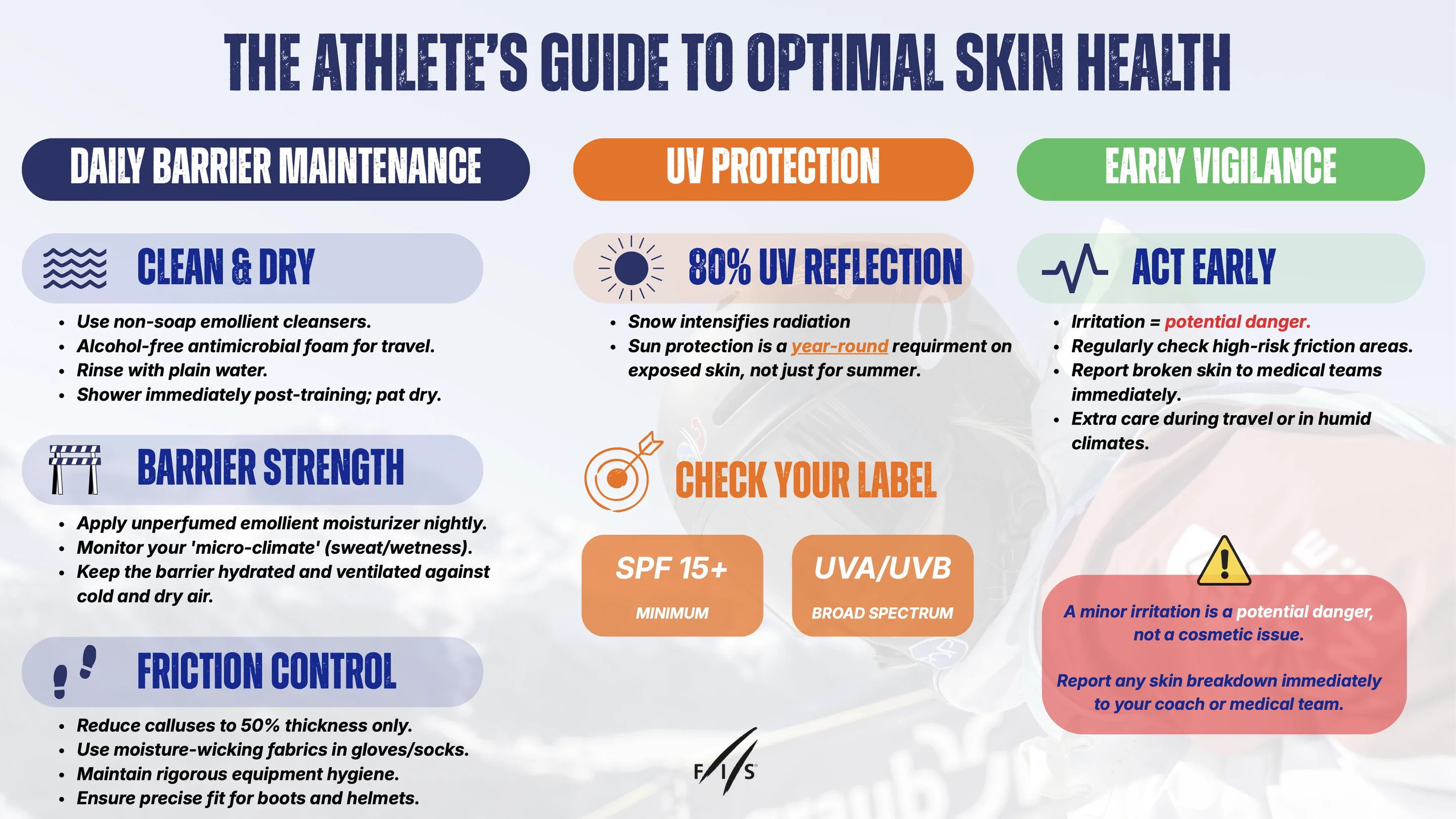
Good hygiene is the foundation. Athletes should wash with a non-soap emollient cleanser and rinse with plain water, since regular soaps disrupt the skin’s natural barrier.
When travelling, an alcohol-free antimicrobial hand foam is a better choice than alcohol gels, which dry the skin further. Shower soon after training, pat dry rather than rub, and change into loose, breathable clothing.
These small habits prevent the moist, friction-prone conditions where most skin problems start.
2. Strengthening the skin’s barrier function
A strong barrier resists everything else we will throw at it. Apply an unperfumed emollient moisturiser regularly, particularly at night when the skin recovers. A well-hydrated, well-ventilated barrier is far less likely to crack or get infected.
3. Managing calluses and equipment friction
Friction from training and equipment is one of the fastest routes to skin damage. Two areas deserve special attention.
Calluses: a callus that grows too thick will eventually tear. Soften the skin first (a warm bath works well), then reduce the callus to about 50% of its thickness using a foot file or pumice stone, and follow with an unperfumed moisturiser.
Equipment: boots, bindings, gloves, and helmet padding must fit precisely, stay clean, and be made of materials that wick sweat away. Optimal fit, rigorous equipment hygiene, and sweat-managing fabrics are the three levers that minimise friction and irritation.
4. Sun and UV protection
Ultraviolet light temporarily strips away the skin’s protective acid mantle. The result is premature ageing, painful burns, and a sharp rise in the risk of rashes, and infections.
For snow sports athletes, the risk multiplies: snow reflects up to 80% of UV radiation, and altitude further intensifies exposure. Tanning is skin damage, not a sign of health.
Cover up with loose, light-coloured clothing, and use a daily moisturiser or sunscreen with SPF 15 or higher and strong UVA/UVB protection (indicated by a high star rating) from spring through summer, and year-round on snow.
5. Vigilance and early intervention
The guiding principle here is simple: learn what works for athlete skin, and act early.
A minor irritation is a potential danger, not a cosmetic issue. Athletes should regularly check high-risk areas, report any irritation early to a coach or medical team, and seek formal medical assistance for any broken skin or lesions. Extra attention is needed when training in hot, humid climates or when long travel disrupts normal hygiene routines.