#SnowStories: Kern and Clugnet on keeping Cross-Country athletes in the loop
Nov 20, 2026·Inside FIS
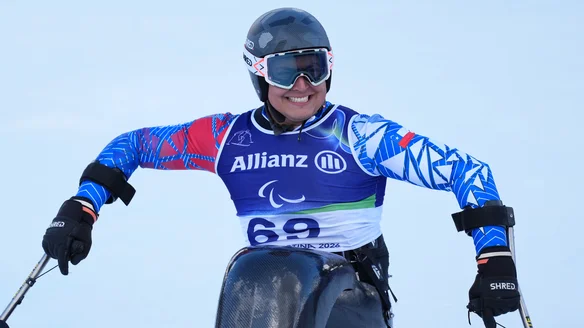
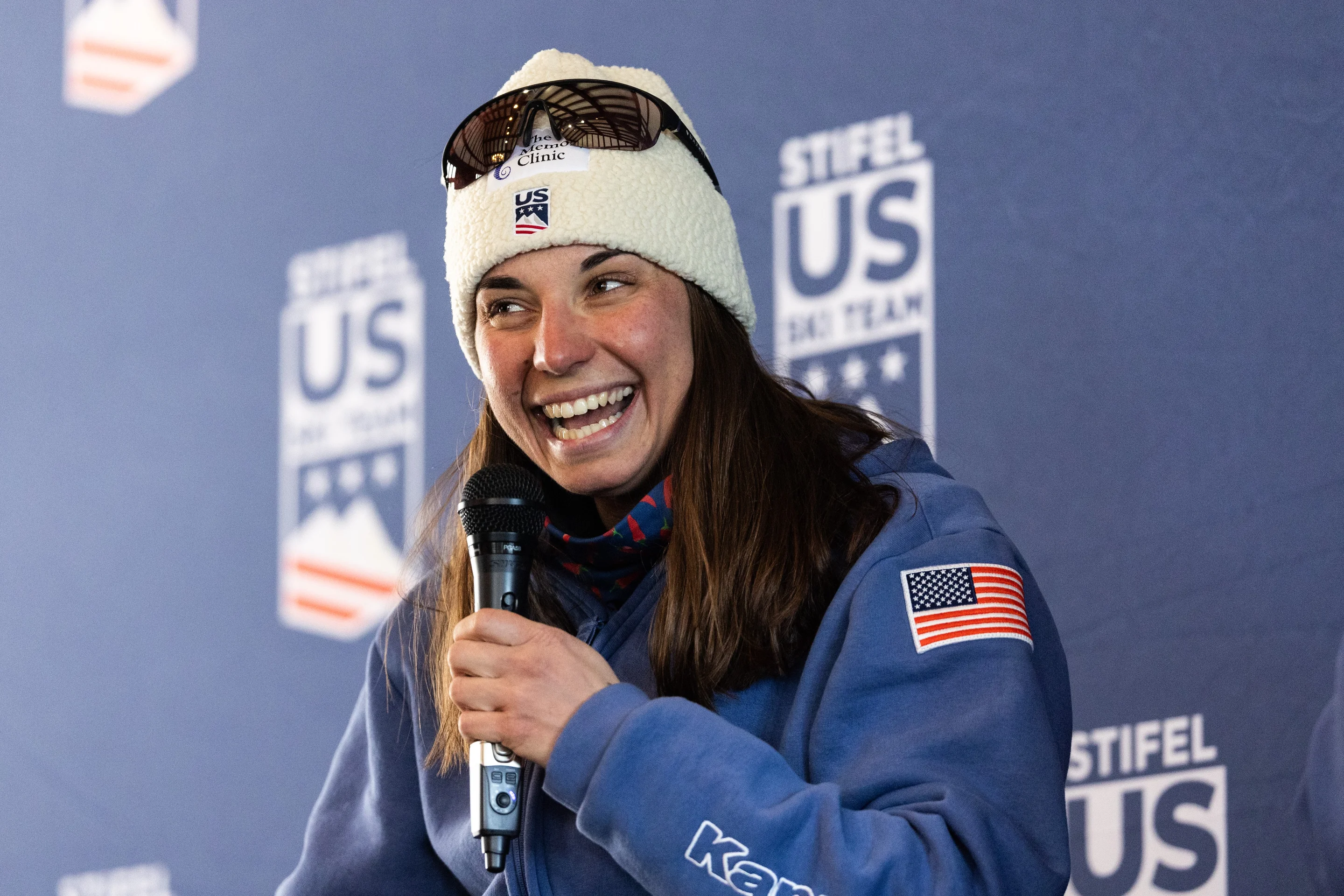
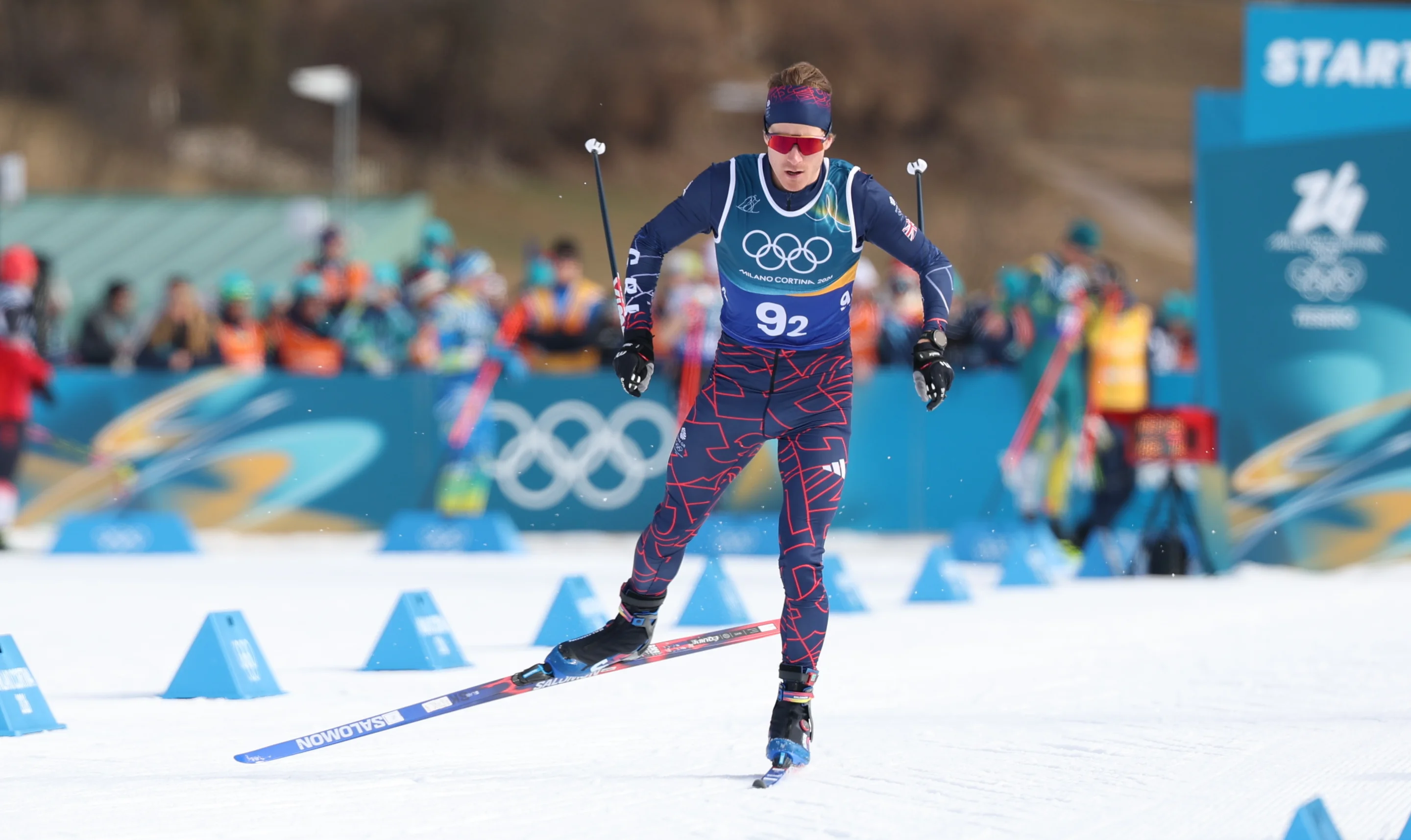
James Clugnet (GBR) got into athlete representation because he would rather understand a problem than complain about it. Julia Kern (USA) was inspired by a strong group of women on the US Ski Team, and after asking a former athlete representative what the job involved, was keen to step up. Since 2023, the pair have represented Cross-Country athletes on the FIS Athletes’ Commission, building a network that colleagues describe as unusually responsive.
They bring different perspectives to the role. Kern, who learned to ski under floodlights outside Boston and on family trips to Germany, understands what it means for North American athletes to spend a whole winter away from home. Clugnet, born in France and racing for a British team that grew from a handful of volunteers, has first-hand experience of both smaller and more established nations.
In the second of a series of interviews with FIS Athletes’ Commission members, they spoke to Inside FIS about how they share the work, how a concern becomes a change, and why they want more athletes to get involved.
Inside FIS: Julia, you grew up skiing at Weston Ski Track, outside Boston. How has that shaped the way you see the sport?
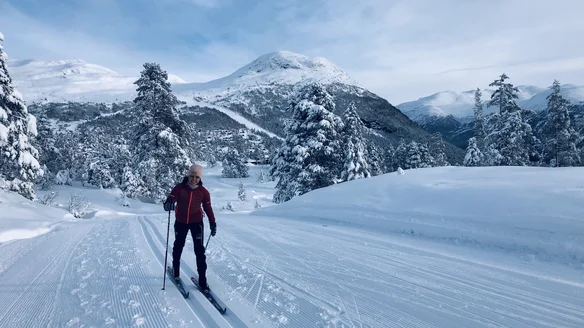
Julia Kern (JK): Growing up right outside a city definitely gives me a unique perspective. Weston is a golf course in the summer, and what was special was how accessible it was: people can go and ski at night under lights. I grew up skiing in the dark and thought that was normal! I didn’t realize until I got older that most places don’t have lighting. Practice at six or seven in the evening meant my parents could work and then drive me there.
I think that’s where my love for city sprints comes from. It feels natural to me to race on man-made snow in a compact environment, and there’s a lot of value in bringing skiing to the people once in a while, not just going to ski destinations for races.
Inside FIS: James, you were born in France and race for Great Britain. How has that shaped the way you represent athletes?
James Clugnet (JC): I grew up in France, a big ski country that also has its flaws. Then I moved to Norway and trained with the British team, a small nation where there’s a lot of DIY and building things yourself, while also seeing the structure they have in Norway, maybe the biggest Cross-Country skiing nation. It’s interesting to see the parallels.
I feel close to a lot of small nations because of who I race for, but Great Britain isn’t that much of a small nation anymore. In the last few years we’ve had good results and become at least medium-sized. Seeing different structures everywhere has definitely helped me as an athlete representative.
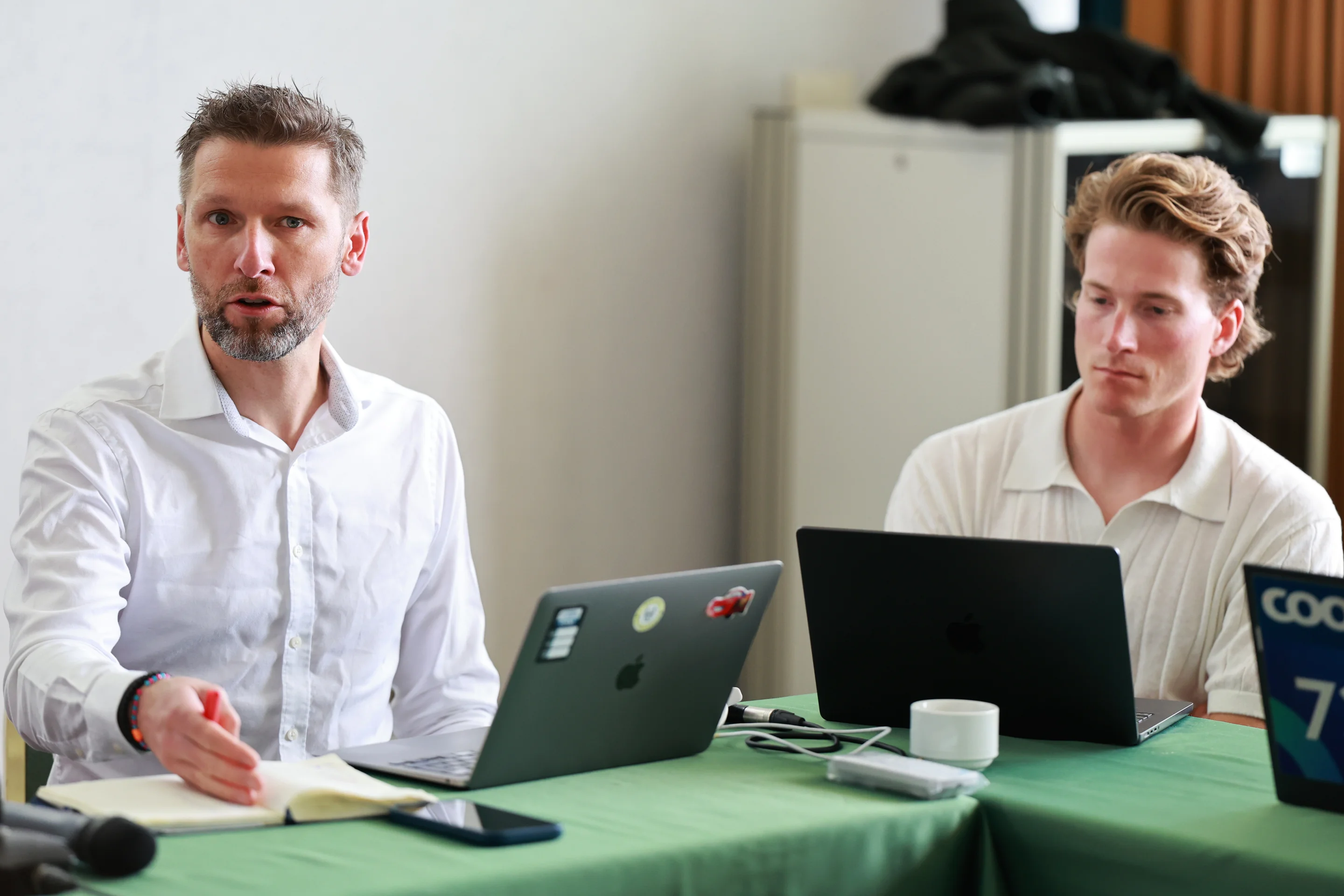
Inside FIS: Colleagues at FIS say your network is unusually responsive. What do you do to make that happen?
JK: When James and I came in, we were motivated to create better information flow. There’s a team captains’ chat, with athletes from each nation who pass messages on to their teams. But some athletes aren’t on a national team, and you’re relying on one person to share things onward. So we created a WhatsApp group that any World Cup athlete can join. Every update goes there, athletes get the messages and documents directly, and they’re comfortable enough to raise a pain point or share their team’s opinion. It’s a two-way street.
JC: In the team captains’ group we discuss the more official things, and in the wider group, with well over 100 athletes, we share information. People usually respond pretty well. Part of that is down to the previous athlete representatives, who built that community before us, so it’s not only us. And we really try to talk as equals. I try to remind people that I’m not from FIS, I’m an athlete. We’re all in it together, and we should all work together to get the message to FIS.
Inside FIS: Julia, how do you help athletes understand how the system works?
JK: That was the big piece we were missing. We’ve worked with the FIS team to explain what FIS staff do, what we do, and how athletes’ voices can be heard. At the end of every season, usually on one of the last two World Cup weekends, we hold an in-person meeting. We text people maybe 10 times through every channel, and usually around 100 athletes come. That’s where we share the QR code for the WhatsApp group, so every year a few more people join.
We also explain how voting works. It’s easy to blame FIS, but FIS staff don’t vote in these meetings; they help facilitate. Each National Ski Association has a vote, so athletes need to know who in their NSA is voting. And we explain why our end-of-season survey matters, and follow up several times. The more we communicate with athletes, the more they’re willing to share with us.
Inside FIS: How does a concern travel from an athlete to a decision?
JC: It depends on the issue. Some concerns don’t go through the Athletes’ Commission at all. If an athlete has a problem with their own federation, for example, FIS has dedicated channels for that, such as the safeguarding hub. For a specific World Cup question, we have a group with the FIS Race Director, the Assistant Race Director and FIS staff, where small questions go back and forth all the time. Something like qualification criteria for smaller nations went straight to the Cross-Country Committee and FIS staff together.
Earlier this year, one athlete wanted to change something about FIS points, so I encouraged him to write a proposal and put it forward through his federation. In the end it wasn’t agreed, but the discussion started, and I think that was the most important thing.
JK: If it’s on-the-ground logistics, like a venue needing more bathrooms, we talk to the FIS team and try to change it for the next year. For bigger items, like formats or rule changes, we survey athletes at the end of the season. Athletes can’t submit proposals themselves, so we find an NSA that aligns with the idea and ask them to propose it at the FIS meetings, and we bring survey data to support it. It might then go to a subcommittee and back to the Executive Committee, so bigger changes take longer.
Inside FIS: Can each of you share a change you’re proud of?
JC: In my first year on the Athletes’ Commission, there were lots of small, really old rules that had been forgotten in the rule book, on things like the size of skis and poles. I’d discussed them with friends, and we all agreed they were outdated. I took them to the Rules and Control Subcommittee, and they changed them straight away, because they could see the rules weren’t constructive.
Mostly it’s small things rather than big ones. Often FIS has ideas that are pretty constructive, and we give the athletes’ point of view to adjust them. The Rules and Control team in particular will see something that could be better, ask us to discuss it with the athletes, and then we work on it together rather than top-down. There are always some disagreements, and some things athletes really want to change that FIS doesn’t, so it’s not always easy.
JK: The way FIS points are calculated changed two or three years ago, but the entry criteria didn’t. That made it harder for some athletes, especially in national groups, to get good enough points to start. National groups matter: they bring the next generation up and give athletes the chance to race a home World Cup. So we raised it, a working group looked at it, and the entry rules changed. Now, for example, an athlete who has been sick or injured for much of the year but is at that caliber can enter with one race under 105 FIS points in the qualifying period.
Inside FIS: At the FIS Nordic World Ski Championships Trondheim 2025, climate activists threatened to disrupt the men’s 50km. What happened?
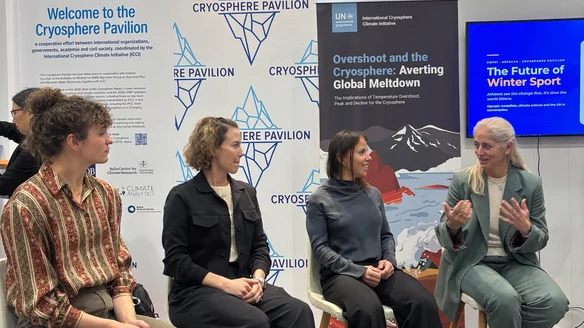
JK: Athletes and organizers were really concerned. Throughout the Championships, we were on multiple Zoom calls with the activists, and we brought in Protect Our Winters to help bring legitimacy to our message: we’re on the same team and believe in the same values, but we don’t believe in the way you’re going about it.
In the end, athletes signed a letter, and the activists agreed not to disrupt the race. Instead, they protested peacefully beside the trail and cheered on every athlete who signed. James and I were really proud of that, because we felt we had a direct impact. It was a win for the athletes, and a win for what the activists wanted too, because climate issues are important in our sport. We’ve stayed in touch, and we’re working on some proposals for FIS as a result. It’s a complicated topic: we need sponsors in the sport, but we also want sponsors that align with our values.
JC: I think it was maybe one of the most meaningful actions that we took together as athletes. We were in a very stressful moment at the World Championships, and at the same time trying to show activists that we were on the same team. I think very few people, athletes or FIS representatives, realize the work we put in. The 50km was a massive success, and I feel like we helped that success.
Inside FIS: How do you divide the role between you?
JK: It’s very organic, we don’t have silos, and there isn’t really a gender divide; we’re each in contact with certain nations, so it splits naturally. James speaks French, so he often talks with the French team, and between us we can communicate with most teams that don’t speak English. He really understands the rules, and because he comes from a smaller nation, he’s passionate about developing nations and Olympic quota criteria. I really enjoy doing the survey and the slides and bugging people to answer the survey! It also helps that he’s based in Europe. I usually have a training camp during the fall FIS meetings, so when James can make it, he takes that on.
JC: It’s a pretty natural flow. Though there isn’t really a gender divide, women tend to come to Julia and men tend to come to me, just because they know us. We’re always racing on the World Cup, we’re pretty sociable, and we know most people there, so it’s more of a friend-to-friend relationship with the athletes. Julia brings a different perspective because she comes from North America, with a very different idea of travel and staying away the entire winter. My perspective is often a bit more on the European side. And there are things she’s clearly better at, like making PowerPoints look nice! I’m a bit nerdy sometimes. I like to read the rules.
Inside FIS: How do you keep each other up to speed?
JK: We text and chat a lot, especially in the winter, when we see each other. The survey is all in one place, and after FIS meetings we keep a notes document and a living action list. It’s pretty simple technology: Google Docs, Excel sheets, and some texting.
Inside FIS: Representing so many athletes while racing must take a lot of energy. How do you manage it?
JK: Yes and no. It gives me purpose and motivation beyond my own results. You don’t get into this role to be self-serving. As an athlete rep, you have to put that hat on: it’s not about your individual interest. It gets me excited when an athlete comes up and says, “We need more portable toilets at the start.” It’s a simple thing I can help with. It can be discouraging when athletes feel strongly about something and we can’t win the vote, but the more we communicate, the more wins we get, especially on the smaller items.
JC: In the end, it’s a voluntary job, so you do as much as you can, and as much as you want to, really. We don’t stress about it.
Inside FIS: What has the role taught you about how the sport works?
JK: I have so much gratitude now for what goes on behind the scenes to put on a World Cup: so many people, so many moving pieces, so much money. Athletes often don’t see that. It’s easy to be frustrated by things, but there’s usually a reason for them. Peeking behind the curtain has given me a very different perspective.
JC: It’s really important to have a good relationship with the FIS staff. We’ve been fortunate that they’re interested in what we have to say, and they’ve been really good at including us. Being able to use our voices, thanks to them, has made it much better for Julia and me.
Inside FIS: If other representatives asked how to replicate your model, what would you tell them?
JK: First, find effective communication channels: work out what athletes will actually see and respond to, then get them to join. Second, education. Once athletes understand how the system works, why their voice matters and how they can bring about change, they get a lot more involved. Third, you need a rep who’s willing to give a lot of time. It’s a volunteer role, and you could put endless time into it, so pick the things that matter most to athletes, be willing to listen, and think about the broader picture of the sport, not individual interests.
Inside FIS: And what would you say to athletes thinking about standing?
JK: Just reach out. I’m happy to talk to anyone who wants to know what it’s like. When I signed up, I had a general idea but didn’t really know what I was signing up for. Our former Nordic reps passed on a lot of information, which gave us a really good starting point. Having somewhere to ask how it all works, including the election process, is really important.